
From May to mid-August, we enjoyed fine weather, with very few windy days. This allowed us to fish almost wherever we wanted on an almost daily basis. In contrast, autumn was marked by unstable weather and frequent windy conditions.
This autumn really highlighted the importance of flexibility and having backup days when booking a package with multiple fishing trips. We can adjust start times based on the weather and move hours between days to make the most of the best conditions during your stay.
Overall, fishing was best from May through the end of July, becoming more challenging later in the season due to rougher autumn weather.
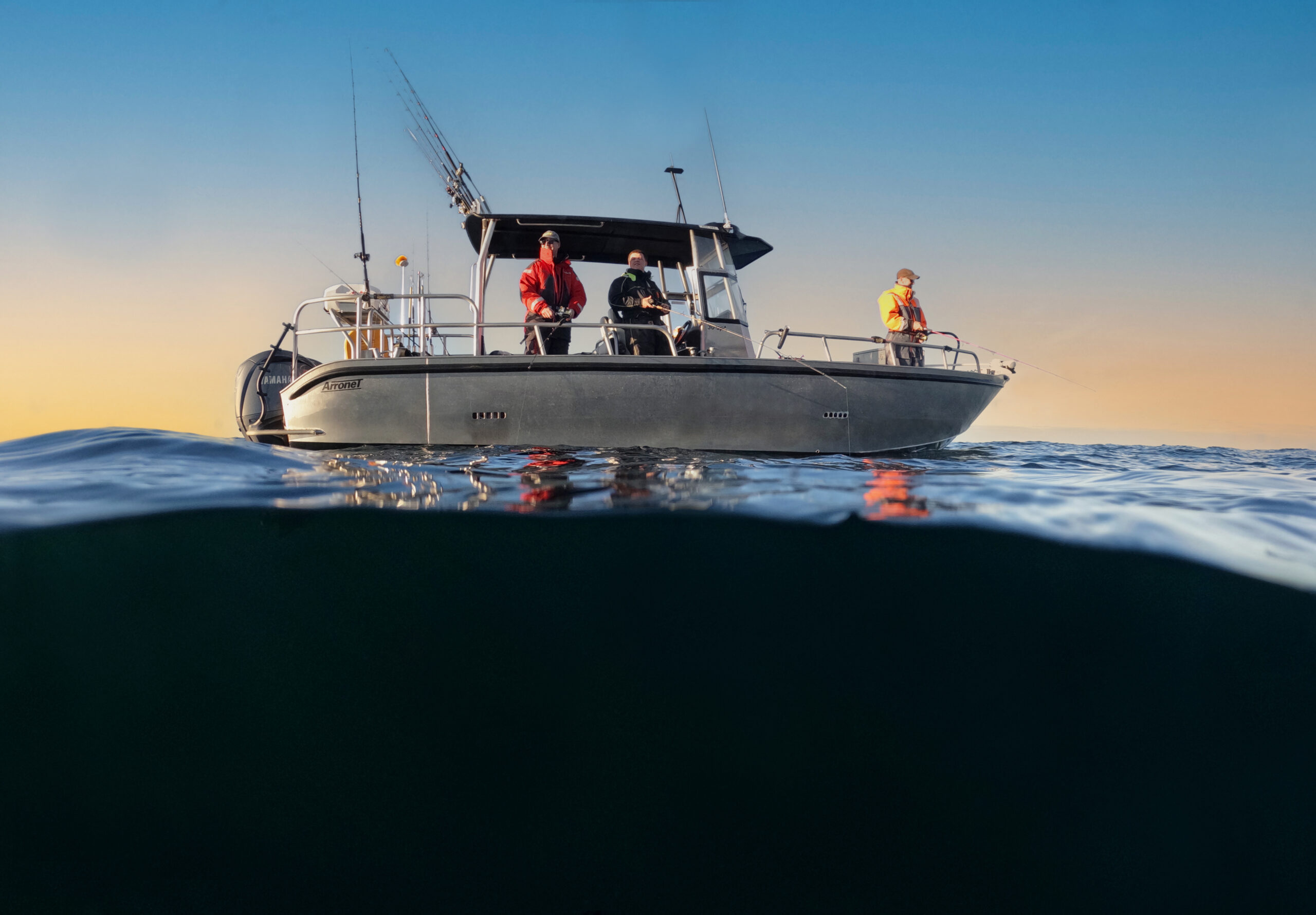
In spring, we welcomed our third Arronet 30spt guide boat. We designed this model ourselves, and it has proven ideal for our fishing trips. More information about the boats can be found here: https://explorethearctic.no/boats/.
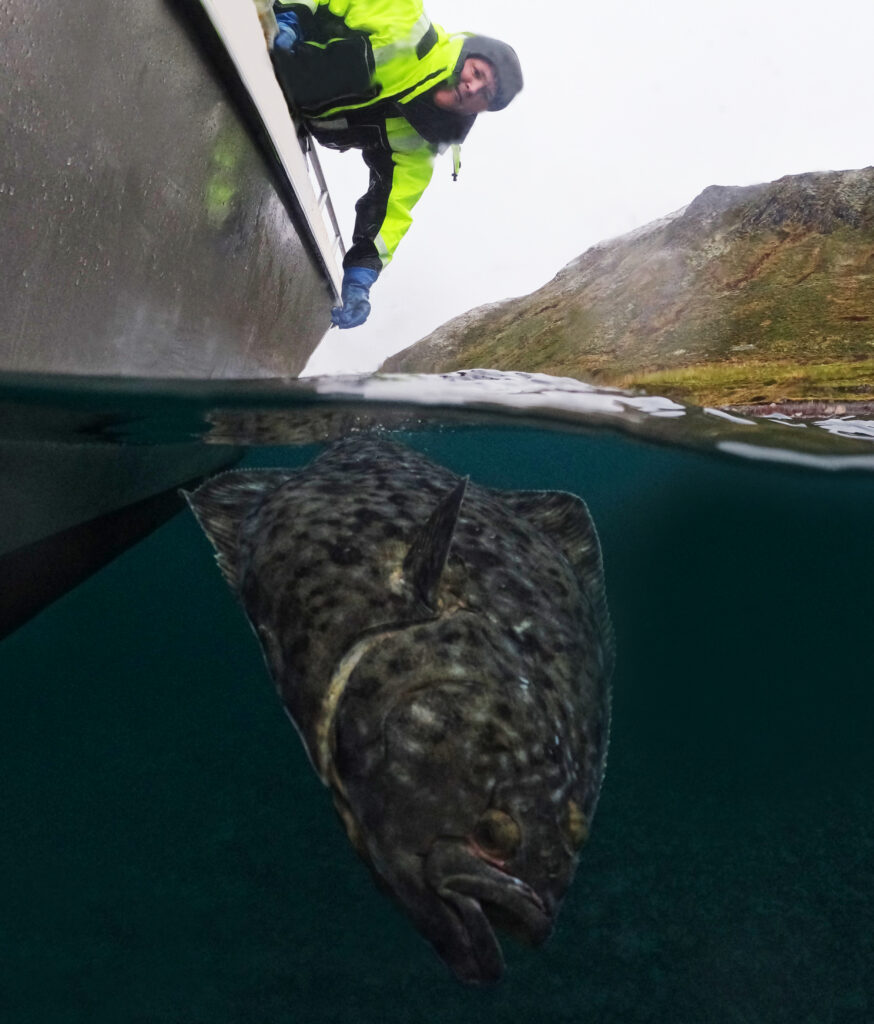
The best halibut fishing this year came in June and July, with up to 25 halibut caught from a single boat on the best days. The largest halibut of the season measured 195 cm.
We usually see a peak in halibut fishing during autumn, but this year’s season was tougher than usual due to challenging weather. High water temperatures also delayed the start of the autumn fishing. However, by mid-October, the fishing really got going, especially in the shallow waters.
This season, we experienced an unusually high number of triple strikes, and on one occasion even a quadruple strike — four halibut biting at exactly the same time!
We also recorded a record number of halibut recaptures, meaning we caught the same fish several times during the season. In one case, the same fish was caught twice in the same day. This clearly shows how well halibut handle catch and release when done properly — and how important it is for maintaining a healthy population in the future.
Vessel quotas have finally been introduced for commercial halibut fishing, and new regulations now make it more difficult to land halibut below the minimum or above the maximum size.
This is something we’ve been fighting for over the past ten years, and we hope it will lead to more sustainable halibut fishing in the future.
We also hope that the authorities will consider our proposals for new regulations in sport fishing. We’re pushing for the following rules:
A maximum size limit of 140 cm for halibut in sport fishing, to protect the large female fish that are vital for the population.
A possession limit allowing each person to keep one halibut in tourist sport fishing.
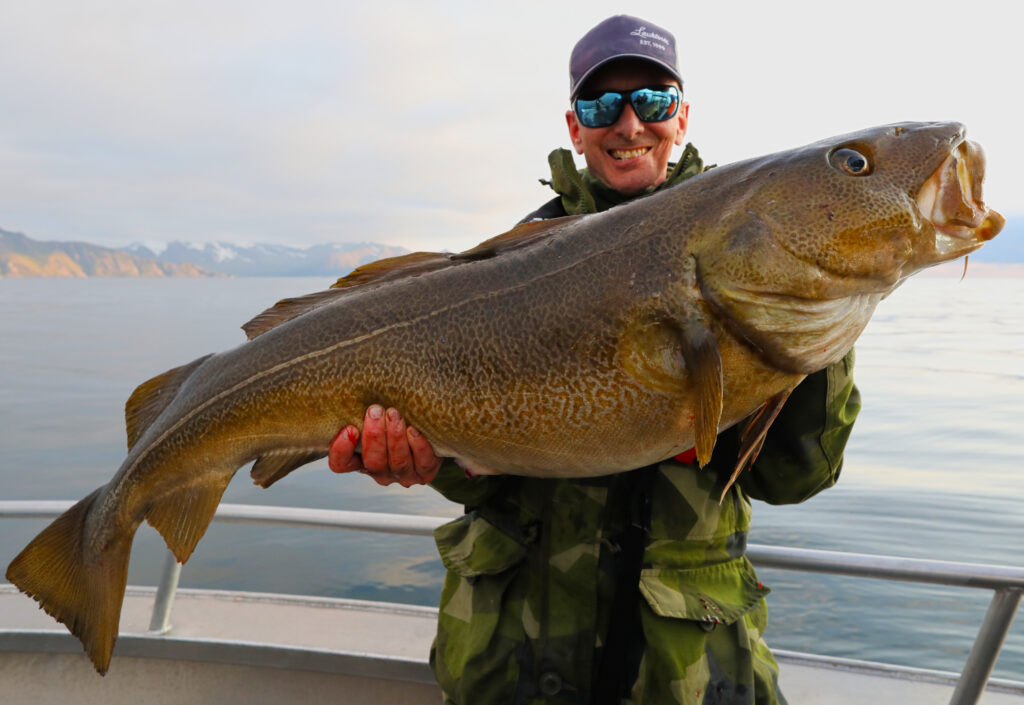
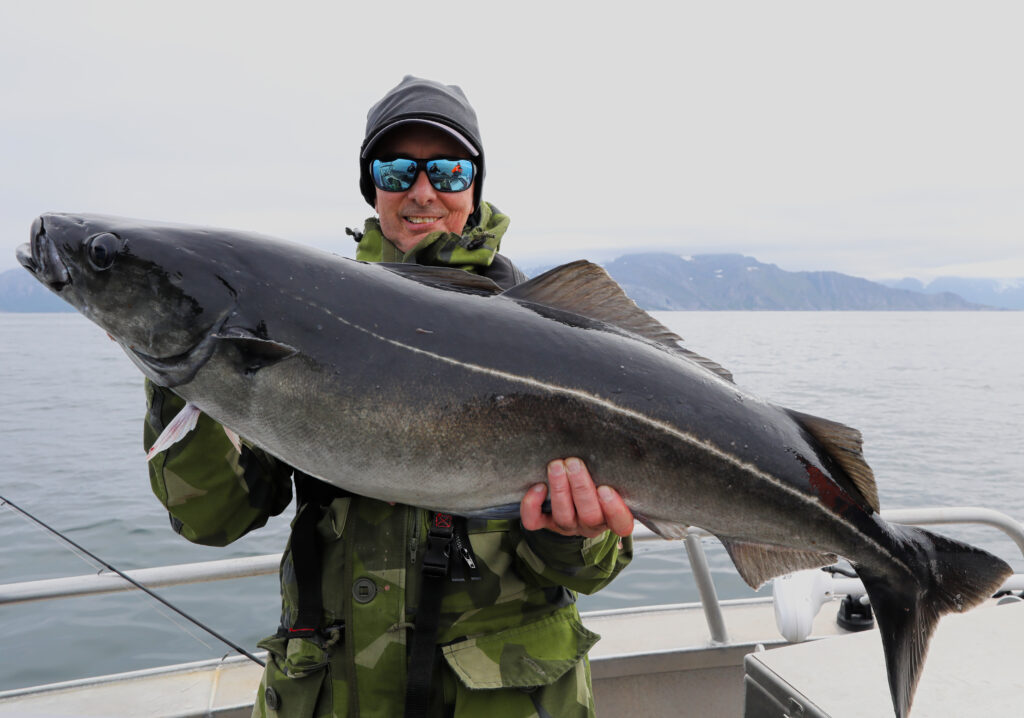
Although cod and coalfish can be caught year-round, fishing for these species was, as usual, best at the start of the season. That’s also when the biggest cod and coalfish were landed.
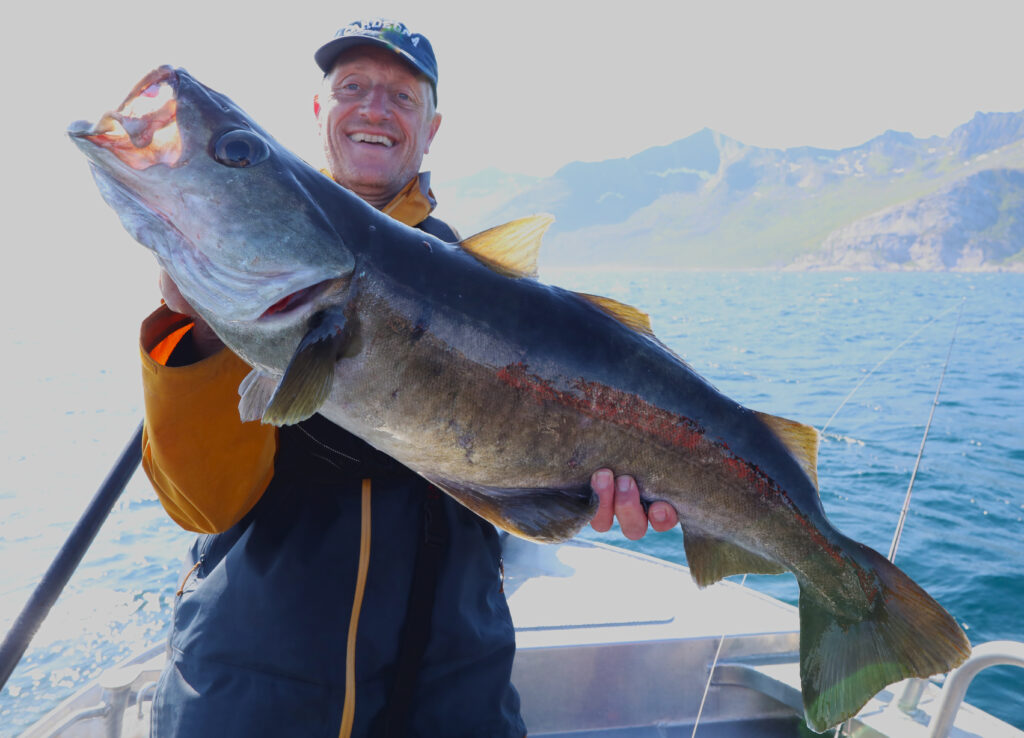
The amount of pollock in our area has really exploded in recent years. Previously, only a few were caught each season, but now they’re so common in some places that we can target them specifically. This season, we had trips with more than 20 pollock caught in a single outing! It actually seems like pollock is starting to take over certain spots from coalfish and cod. The top fish this season weighed around 8–9 kg.
Mackerel arrived in mid-July, with the largest caught weighing about 1,5 kg.
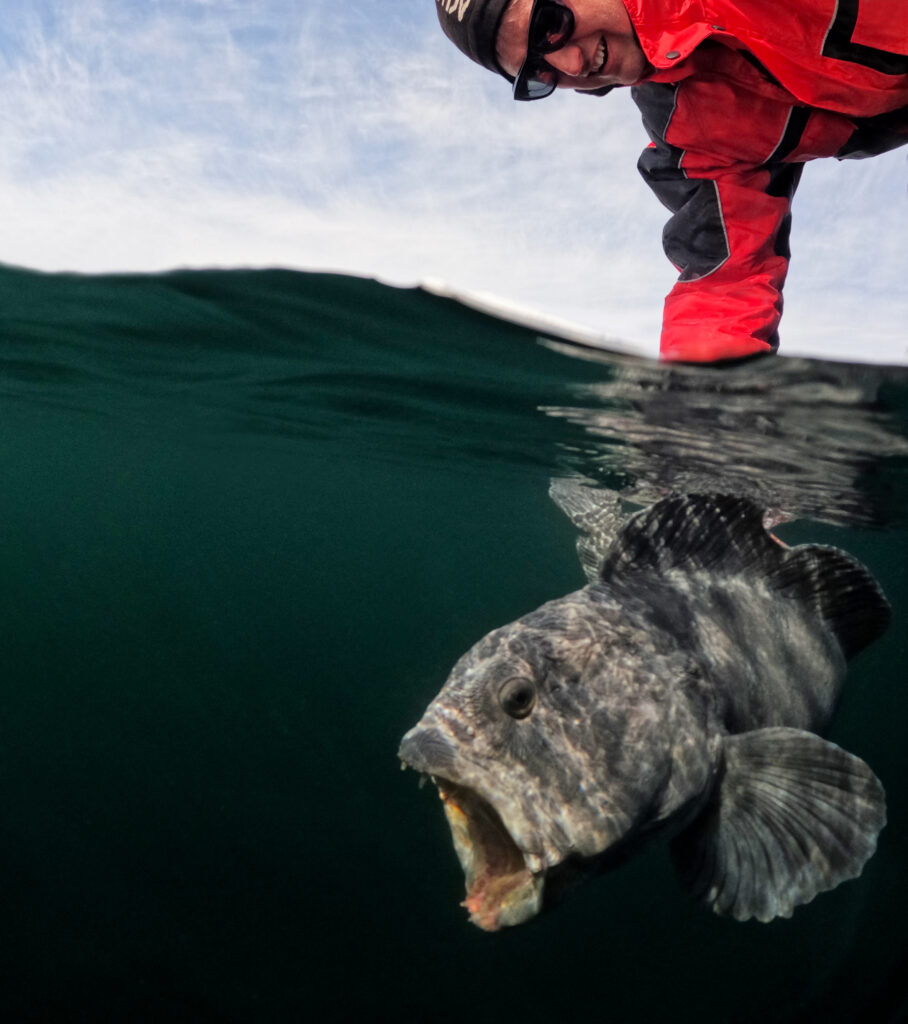
As usual, the best wolffish fishing was from May to July.
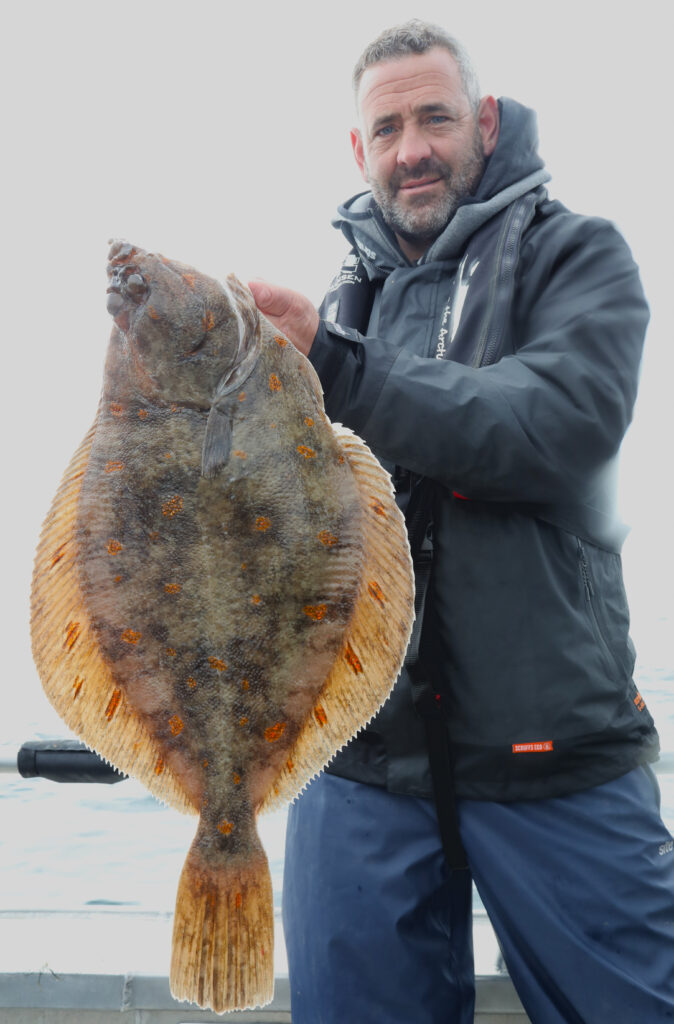
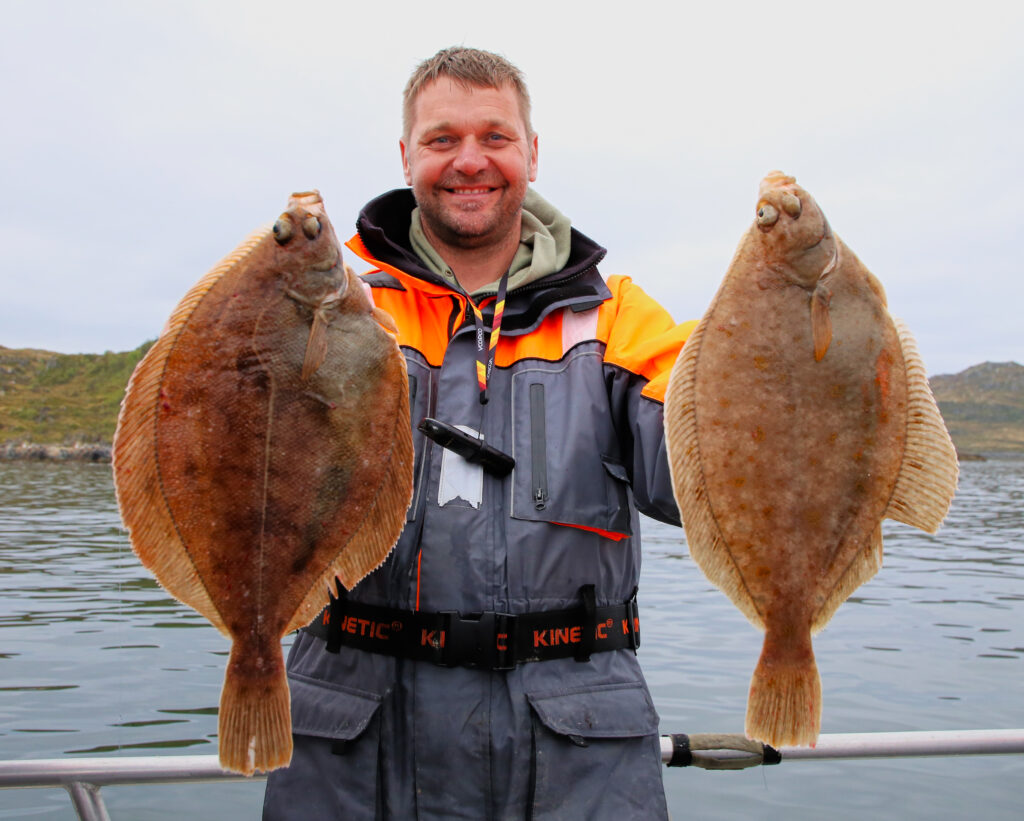
During the season, we also discovered several new plaice spots that produced excellent catches, with top fish around 3 kg.
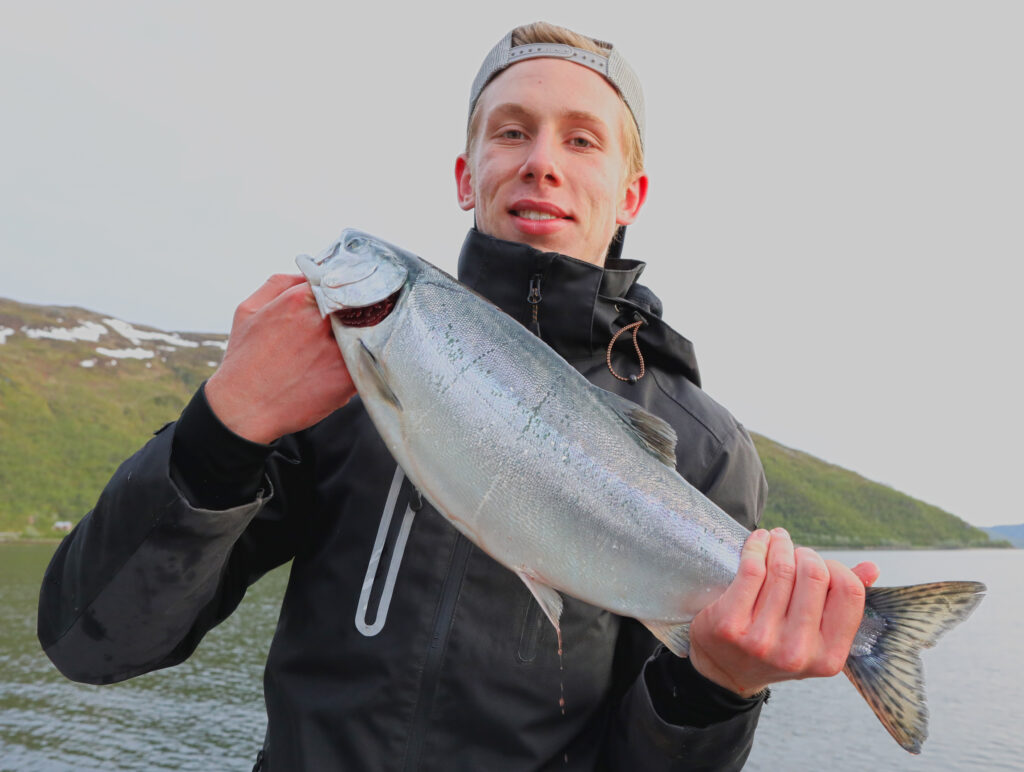
Every other year, pink salmon arrive in our fjord. This year was a pink salmon year, and they came in large numbers at the end of June — great fighters on light tackle and a delicious eating fish!
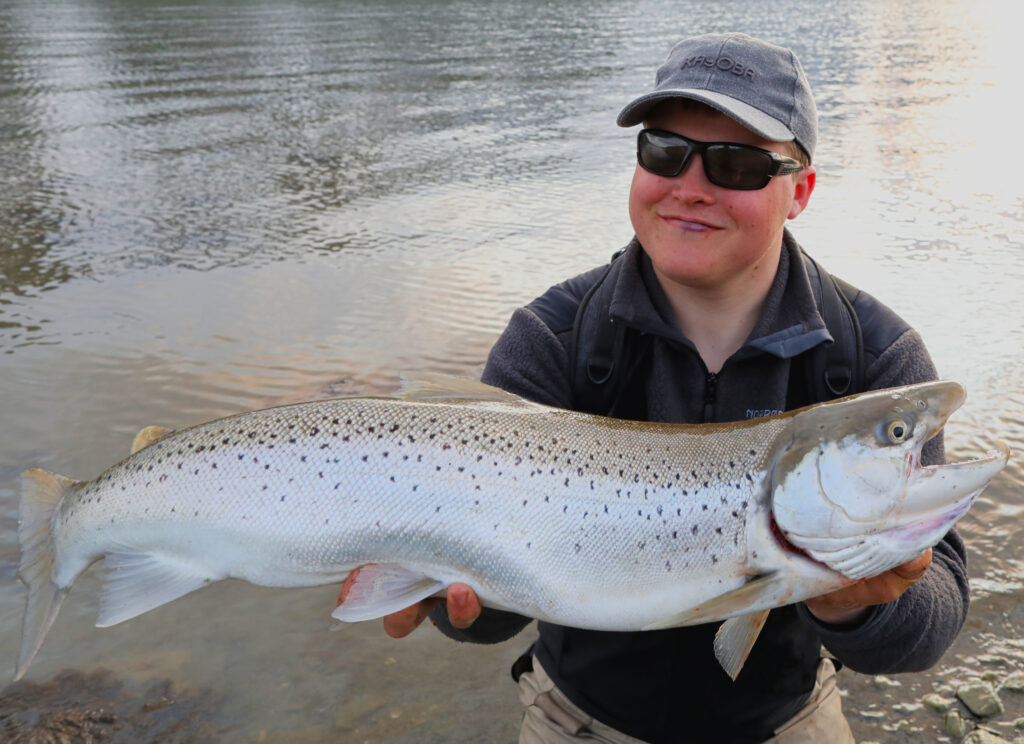
We also focused more on sea trout fishing this season and had some fantastic trips — the best resulting in 26 fish for two people. The average size was around 1–2 kg, with a top fish of 3,5 kg.
If you’d like to try this fishing, we recommend June. Why not combine a few days of sea fishing with a day or two of sea trout fishing?
Another great option is to combine sea fishing with a day of freshwater fishing. We have many lakes in our area with trout and char. Freshwater fishing with light gear offers a relaxing break from the heavier sea fishing.
Although the offshore fishing season is soon coming to an end, we’ll continue running 3-hour fishing trips on the fjord throughout winter. Cod fishing is often good inside the fjords during winter. We also offer ice fishing in winter — both for trout and char on Kvaløya’s lakes, and for cod and other species on the fjord when conditions allow.
A warm thank you to everyone who joined us this season!